How Hair Rebonding Can Transform Dry and Frizzy Hair
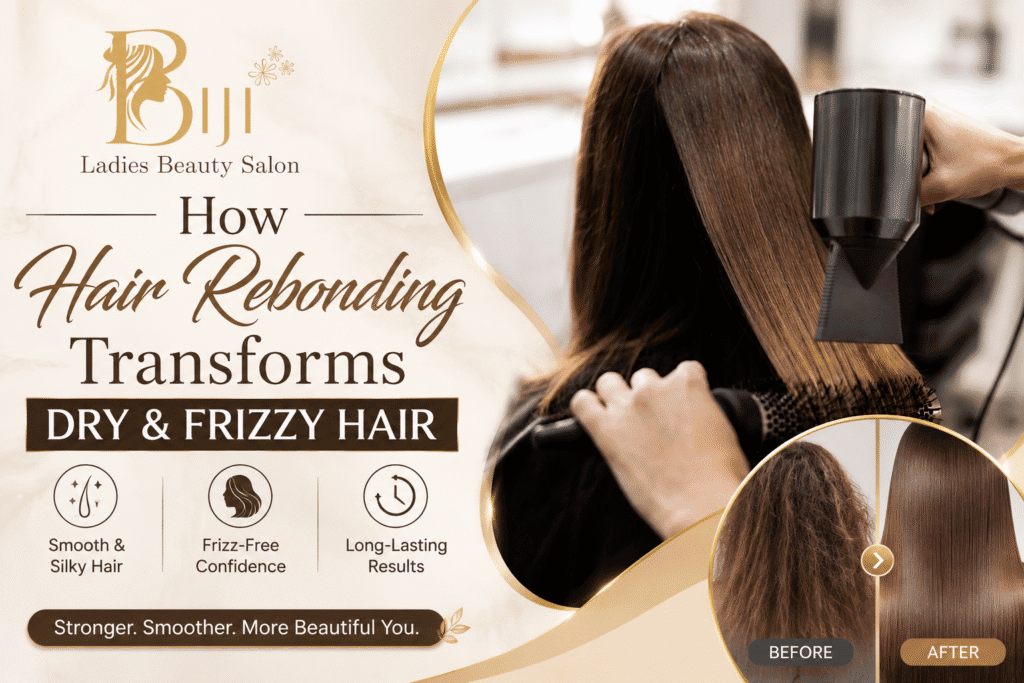
Dry, frizzy hair can make styling difficult and leave your hair looking dull, rough, and unmanageable. Whether your hair is naturally curly, chemically treated, or damaged by heat and environmental factors, maintaining smooth and healthy-looking hair can feel like a daily challenge. Fortunately, hair rebonding has become one of the most effective solutions for people who want permanently straighter, shinier, and more manageable hair.
In this guide, we’ll explain how hair rebonding can transform dry and frizzy hair, how the treatment works, its benefits, aftercare tips, and whether it’s the right option for you.
What Is Hair Rebonding?
Hair rebonding is a chemical hair straightening treatment that changes your hair’s natural structure. It breaks the natural bonds within the hair strands and restructures them into a permanently straight shape using professional-grade products.
Unlike temporary straightening methods, rebonding offers long-lasting results that can last 6 to 12 months, depending on your hair growth and maintenance routine.
The treatment is ideal for people who struggle with:
- Dry hair
- Frizzy hair
- Curly hair
- Wavy hair
- Unmanageable hair
- Puffy hair
- Thick and coarse hair
What Causes Dry and Frizzy Hair?
Understanding the cause of frizz can help you choose the right treatment.
Common causes include:
- Lack of moisture
- High humidity
- Excessive heat styling
- Frequent hair coloring or bleaching
- Chemical damage
- Harsh shampoos
- Poor hair care routine
- Environmental pollution
- Sun exposure
When your hair cuticles remain open, moisture escapes easily, making your hair appear rough, dry, and frizzy.
How Hair Rebonding Transforms Dry and Frizzy Hair
1. Makes Hair Smooth and Silky
One of the biggest advantages of hair rebonding is that it smooths rough hair cuticles.
After the treatment, your hair becomes:
- Softer
- Silkier
- Shinier
- Easier to manage
Instead of spending time using straighteners every day, you’ll wake up with naturally sleek hair.
2. Eliminates Frizz
Frizz occurs when hair absorbs moisture from the air.
Hair rebonding seals the hair structure, making it much less likely to puff up in humid weather.
This is especially beneficial for people living in warm and humid climates like Dubai.
3. Reduces Daily Styling Time
If you spend 30–45 minutes every morning blow-drying or straightening your hair, rebonding can significantly reduce your styling routine.
Most people only need:
- Light brushing
- Hair serum
- Minimal blow drying (optional)
This makes mornings quicker and easier.
4. Gives Long-Lasting Straight Hair
Unlike temporary straightening methods that last only until your next wash, hair rebonding provides semi-permanent results.
The treated hair remains straight until new hair grows out.
With proper maintenance, results usually last:
- 6–12 months
5. Adds Healthy-Looking Shine
Dry hair often lacks natural shine because damaged cuticles scatter light.
Rebonded hair reflects light more evenly, creating a glossy and healthy appearance.
While rebonding doesn’t repair damaged hair internally, it dramatically improves the overall look of your hair.
6. Improves Hair Manageability
Tangled and rough hair can be difficult to comb.
Hair rebonding makes detangling much easier and reduces knots, making everyday hair care simpler.
You’ll notice:
- Less brushing effort
- Easier styling
- Reduced puffiness
- Better overall texture
Hair Rebonding Procedure: Step by Step
A professional hair rebonding treatment typically involves the following steps:
Hair Consultation
A hair expert examines:
- Hair texture
- Hair health
- Previous chemical treatments
- Scalp condition
This helps determine whether rebonding is suitable.
Hair Washing
Your hair is cleansed with a mild shampoo to remove oil, dirt, and product buildup.
Application of Rebonding Cream
A chemical cream is applied to break the hair’s natural bonds.
The cream remains on the hair for a specific amount of time based on your hair type.
Hair Straightening
Professional flat irons are used to straighten every section of the hair carefully.
Neutralizer Application
A neutralizer locks the hair into its new straight structure.
Final Wash and Blow Dry
The stylist rinses the hair, applies nourishing products, and styles it to reveal smooth, straight results.
Benefits of Hair Rebonding
Hair rebonding offers several advantages, including:
- Permanent-looking straight hair
- Smooth texture
- Reduced frizz
- Long-lasting results
- Easier hair management
- Less dependence on heat styling
- Shinier appearance
- Professional salon finish
- Time-saving daily routine
- Improved confidence
Who Should Consider Hair Rebonding?
Hair rebonding is suitable for people with:
- Extremely frizzy hair
- Thick hair
- Curly hair
- Wavy hair
- Unmanageable hair
- Puffy hair
- Healthy hair that can tolerate chemical treatments
It may not be recommended for severely damaged, overly bleached, or extremely weak hair. A professional consultation is always the best first step.
Hair Rebonding Aftercare Tips
Proper aftercare helps maintain smooth, healthy-looking hair for longer.
Avoid Washing for 72 Hours
Do not wash your hair for the first three days after treatment.
This allows the hair structure to stabilize.
Use Sulfate-Free Shampoo
Choose gentle shampoos specifically designed for chemically treated hair.
Condition Regularly
Deep conditioning keeps hair hydrated and soft.
Apply Hair Serum
A lightweight serum helps control dryness while adding shine.
Avoid Frequent Heat Styling
Although rebonded hair is straight, excessive heat can still cause damage.
Schedule Regular Hair Spa Treatments
Monthly hair spa sessions help nourish chemically treated hair and maintain its smooth appearance.
Trim Split Ends
Regular trims keep your hair looking healthy and prevent split ends from spreading.
Hair Rebonding vs Keratin Treatment
Many people confuse these two treatments.
| Hair Rebonding | Keratin Treatment |
| Permanently straightens hair | Smooths and reduces frizz |
| Alters hair structure | Adds protein to hair |
| Lasts 6–12 months | Lasts 3–5 months |
| Ideal for very curly hair | Ideal for mildly frizzy hair |
| Produces pin-straight results | Maintains some natural texture |
If your goal is completely straight hair, rebonding is generally the better option.
Is Hair Rebonding Safe?
When performed by trained professionals using high-quality products, hair rebonding is generally considered safe.
However, because it involves chemical processing, choosing an experienced salon is essential to minimize the risk of damage.
A professional stylist will assess your hair condition before recommending the treatment.
Common Mistakes to Avoid After Hair Rebonding
Avoid these mistakes to protect your results:
- Washing hair too soon
- Tying hair tightly during the first few days
- Using harsh shampoos
- Skipping conditioner
- Overusing hot styling tools
- Delaying trims
- Ignoring dryness and hydration
Following the right aftercare routine can significantly extend the life of your rebonding treatment.